
3 minutes read
Electric vehicles (EVs) have become one of the most debated topics in the transition towards a lower-carbon future. From concerns about battery production to questions about where the electricity comes from, there are many discussions around whether EVs are truly a sustainable alternative to traditional vehicles. With misinformation and uncertainty surrounding the topic, it is important to understand the facts behind EV technology and its role in reducing transport emissions.

The last coal-fired power plant in the UK, Ratcliffe-on-Soar, closed on 30 September 2024.
Understanding the different types of electric vehicles
Not all electric vehicles are the same. The main categories include:
Battery Electric Vehicles (BEVs)
These vehicles run entirely on electricity stored in a battery and have no petrol or diesel engine. They produce no tailpipe emissions while driving.
Plug-in Hybrid Electric Vehicles (PHEVs)
These combine an electric motor with a petrol or diesel engine. They can be charged externally and can travel shorter distances using electricity before switching to the combustion engine.
Hybrid Electric Vehicles (HEVs)
These use both a combustion engine and an electric motor but cannot be plugged in. The battery is charged through braking and the engine.
Each type has different environmental impacts, but fully electric vehicles offer the greatest potential for reducing emissions as electricity grids continue to decarbonise.
Are EVs really better for the environment?
One common misconception is that electric vehicles have no environmental impact. The reality is more complex.
Manufacturing EVs, particularly producing lithium-ion batteries, requires significant energy and resources. This means that an electric vehicle can have a higher carbon footprint during the manufacturing stage compared with a traditional petrol or diesel vehicle. However, this initial carbon impact is generally balanced over the vehicle’s lifetime because EVs produce significantly fewer emissions during use. Unlike conventional vehicles, they do not burn fossil fuels directly and therefore avoid ongoing tailpipe emissions. As electricity generation becomes cleaner, the emissions associated with charging EVs continue to decrease.
“What is the point of EVs if electricity is still produced from fossil fuels?”
This is one of the most common concerns surrounding electric vehicles. However, the emissions associated with charging an EV depend on the electricity grid powering it — and the UK’s electricity system has changed significantly in recent years.
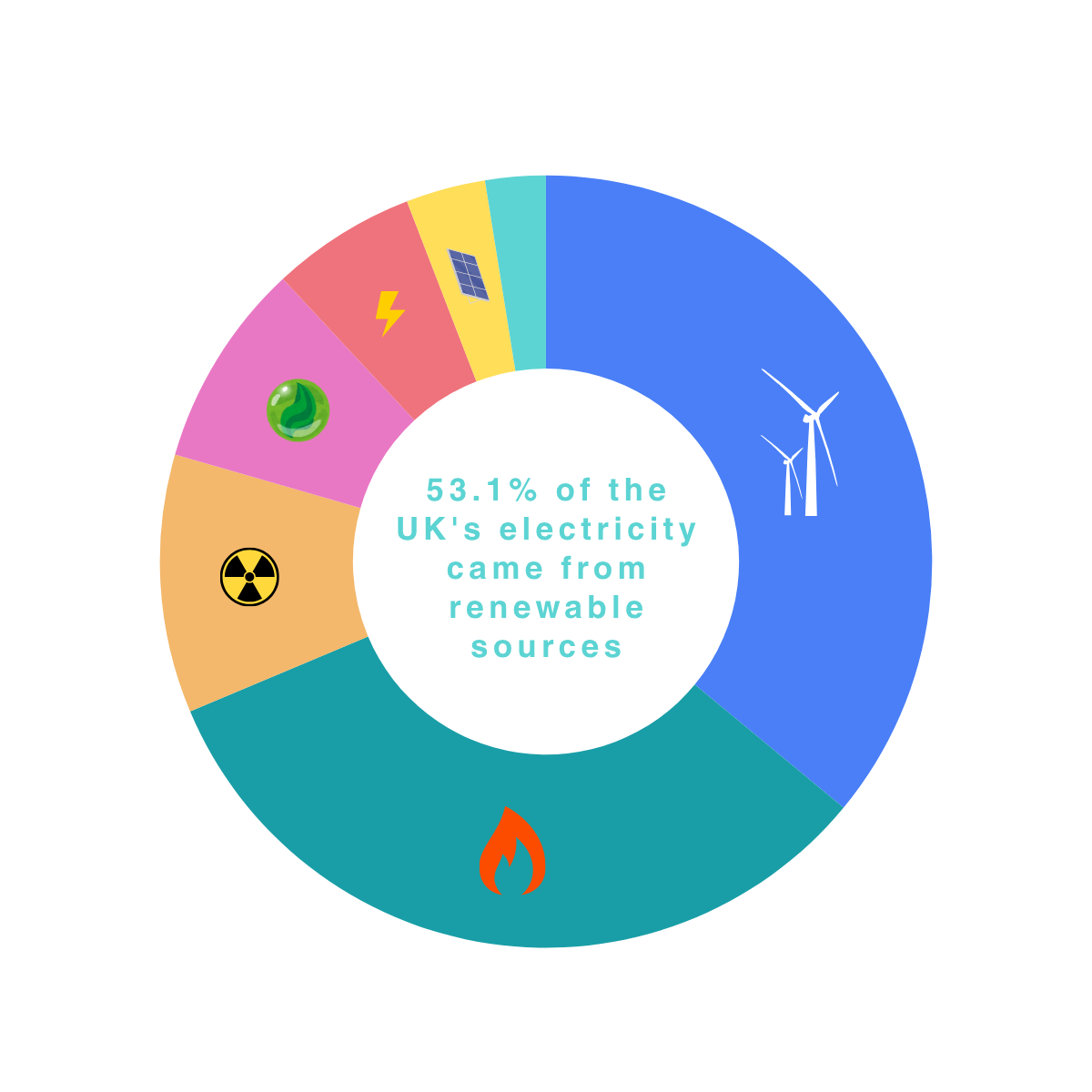
According to the Department for Energy Security and Net Zero, renewable sources generated a record 53.1% of UK electricity in Q1 2026, with wind power being the largest contributor to this growth. As renewable energy continues to replace higher-carbon generation, the carbon footprint of operating an electric vehicle continues to decrease. This means that while EV manufacturing still creates emissions, particularly through battery production, the lifetime emissions of an EV can be significantly lower than conventional petrol or diesel vehicles as the electricity grid becomes cleaner.
Challenges still remain.
While EVs are an important part of reducing transport emissions, they are not without challenges.
Some concerns include:
Battery production: Mining and processing materials such as lithium, cobalt and nickel require energy and careful management of environmental and social impacts.
Battery recycling: As more EV batteries reach the end of their useful life, effective recycling systems will be essential.
Extreme temperatures: Higher temperatures can affect battery performance and efficiency, and manufacturers continue to improve thermal management systems to address these challenges.
Charging infrastructure: Expanding reliable charging networks remains essential to making EV adoption accessible for everyone.
The role of EVs in a low-carbon future
Electric vehicles are not a perfect solution, but they represent one of the most effective tools currently available for reducing emissions from road transport. The transition to EVs needs to happen alongside wider improvements, including cleaner electricity generation, better public transport, active travel options and responsible battery supply chains. The journey towards sustainable transport is not simply about replacing petrol cars with electric ones — it is about creating a cleaner, more efficient transport system for the future.
Read More about the Energy Trends in the UK at : Energy Trends June 2026